Orthopedic

Orthopedic specialist
privacy-policy
About Dentist
who is a orthopedic?

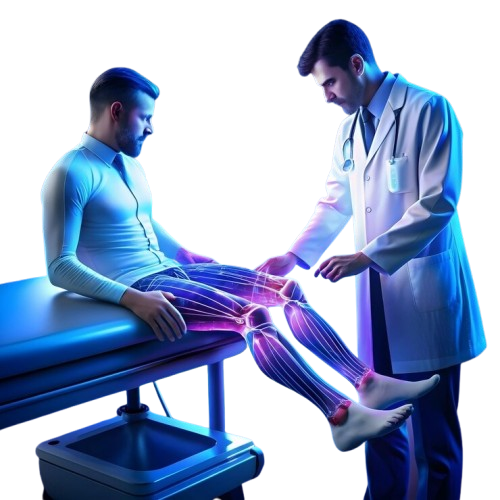
An orthopedic doctor, or orthopedist, is a medical professional who specializes in diagnosing, treating, and managing conditions related to the musculoskeletal system, which includes bones, joints, muscles, tendons, and ligaments. They treat a wide range of issues such as broken bones, arthritis, back pain, sports injuries, and conditions like scoliosis. Orthopedists can use both surgical and non-surgical methods to help patients recover from injuries, manage pain, or improve mobility. They often work with patients of all ages, from children with congenital conditions to older adults with degenerative diseases.

What Can a orthopedicDo?

Sports Medicine: Focuses on injuries related to sports and physical activity.

Spine Surgery: Specializes in treating conditions affecting the spine.

Joint Replacement: Involves replacing damaged joints, such as hips or knees.

Pediatric Orthopedics: Treats musculoskeletal issues in children.

Trauma Orthopedics:Focuses on acute injuries like fractures and dislocations.

Hand and Wrist Surgery: Deals with conditions affecting the hand, wrist, and forearm.

Foot and Ankle Surgery: Addresses respiratory issues.Specializes in treating foot and ankle disorders.

Orthopedic Oncology: Treats tumors and cancers of the bones and soft tissues.
Subcategories of pediatric

orthopedic specialitites

Sports Medicine

Orthopedic doctors specializing in sports medicine focus on the prevention, diagnosis, and treatment of injuries caused by physical activities and sports. This includes ligament tears (e.g., ACL injuries), tendonitis, fractures, and joint issues. They often work with athletes to enhance performance and recover from injuries.

user-image

Spine Surgery

Specialists in this area focus on disorders of the spine, such as herniated discs, scoliosis, spinal stenosis, and other spinal deformities. They use both surgical and non-surgical methods to treat back pain, injuries, and degenerative spine diseases.

user-image

Joint Replacement (Arthroplasty)

These orthopedic surgeons specialize in replacing damaged or arthritic joints, such as hips, knees, shoulders, and elbows. Joint replacement surgery is often used to treat severe arthritis or injury, improving mobility and reducing pain in affected joints.

user-image

Pediatric Orthopedics

Pediatric orthopedic surgeons deal with musculoskeletal problems in children, including congenital deformities (e.g., clubfoot or scoliosis), growth-related issues, and injuries. Children’s bones and tissues are still growing, so treatment plans differ significantly from adult orthopedics.

user-image

PTrauma Orthopedics:

This subcategory focuses on the treatment of acute musculoskeletal injuries caused by trauma, such as fractures, dislocations, and severe soft tissue injuries. Trauma orthopedists often work in emergency settings, treating injuries from accidents or falls.

user-image

Hand and Wrist Surgery

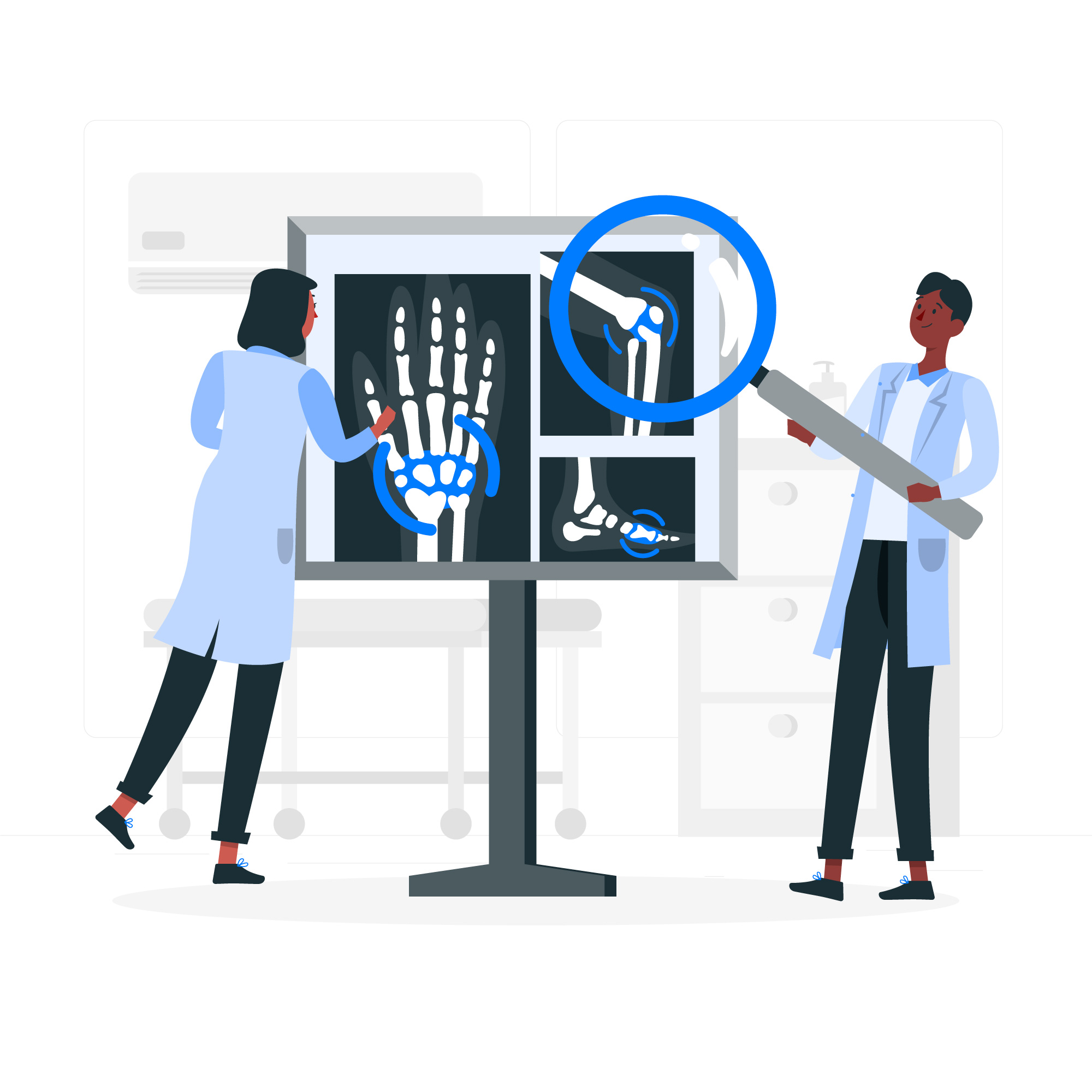
Orthopedic specialists in this field manage conditions affecting the hands, wrists, and forearms. Common issues treated include carpal tunnel syndrome, arthritis of the hand, tendon injuries, and fractures of the hand and wrist.

user-image

Foot and Ankle Surgery

This sub-specialty deals with conditions such as bunions, heel pain, ankle sprains, Achilles tendon injuries, and fractures. Foot and ankle orthopedic surgeons treat a variety of disorders that affect mobility and stability in the lower extremities.

user-image

Orthopedic Oncology

Orthopedic oncologists specialize in the diagnosis and treatment of cancers and tumors affecting bones, muscles, and soft tissues. These doctors treat both benign and malignant tumors, such as osteosarcoma and Ewing's sarcoma, and collaborate with oncologists for comprehensive cancer care.

user-image

FAQ

Routine Questions About Orthopedic

ClinixTime is your one-stop solution for all dental queries.

It depends on your condition, but routine check-ups are often recommended annually or when experiencing pain or discomfort.
Persistent pain, difficulty moving joints, swelling, or weakness in bones and muscles are common signs to see an orthopedic specialist.
A general physician handles overall health issues, while an orthopedic specialist focuses specifically on bones, joints, and muscles.
Arthritis is inflammation of joints causing pain and stiffness. Treatment includes medication, physical therapy, or surgery in severe cases.
Orthopedic specialists examine your bones, joints, muscles, and ligaments for signs of injury, degeneration, or disease.
Mild pain or discomfort is common after procedures, but severe pain should be discussed with your doctor.