Family Medicine

Family Medicine
privacy-policy
About Family Medicine
who is a Family medicine doctor?

Family medicine is a medical specialty focused on providing comprehensive health care for individuals and families across all ages, genders, and diseases. Family medicine physicians, often referred to as family doctors, are trained to address a wide range of health issues

What Can a Family Medicine doctor Do?

Preventive Care: Routine check-ups, vaccinations, and health screenings.

Chronic Disease Management:Managing conditions like diabetes, hypertension, and asthma.

Acute Care: Treating minor injuries and illnesses.

Health Education: Providing guidance on healthy lifestyle choices and disease prevention.

Coordination of Care: Working with specialists and coordinating care for complex health issues.

Subcategories of Family Medicine

Family Medicine specialitites

Pediatric Family Medicine

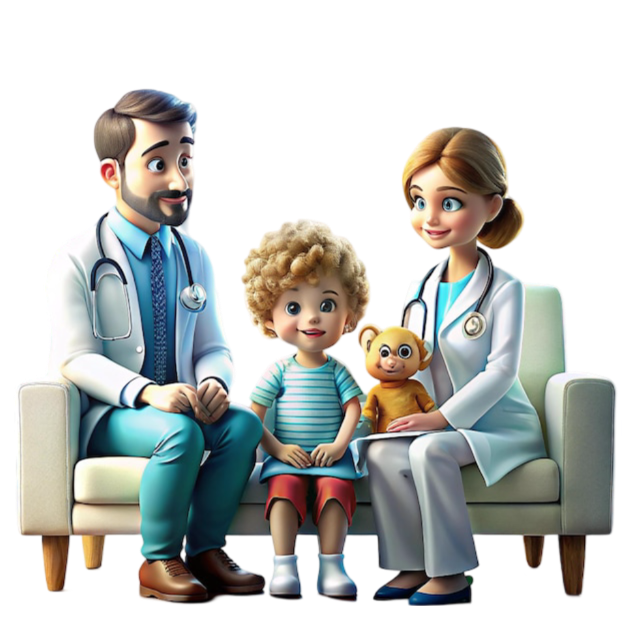
This subcategory focuses on the comprehensive health care of infants, children, and adolescents. Pediatric family medicine practitioners provide preventive care, including routine check-ups and immunizations, as well as the diagnosis and treatment of common childhood illnesses and developmental issues. They work closely with parents to ensure healthy growth and development and may also address behavioral and mental health concerns specific to younger populations.

user-image

Geriatric Medicine

Geriatric medicine specializes in the health care of older adults, often dealing with complex medical issues related to aging. Practitioners in this field focus on managing chronic conditions such as diabetes, hypertension, and dementia, while also addressing the unique psychological, social, and physical needs of older patients. Geriatric family medicine emphasizes enhancing the quality of life and functional independence in seniors through comprehensive assessments and coordinated care plans.

user-image

Women's Health

This subcategory addresses health issues specifically related to women, encompassing a wide range of services including reproductive health care (family planning, prenatal care, and menopause management), screenings (such as mammograms and Pap smears), and treatment of gynecological conditions. Practitioners often provide counseling on issues such as sexual health, fertility, and hormonal therapies, aiming to empower women to make informed decisions about their health.

user-image

Sports Medicine

Sports medicine focuses on the prevention, diagnosis, and treatment of sports-related injuries and conditions. Family medicine practitioners with a specialization in this area work with athletes of all ages, providing care for acute injuries (like sprains and fractures) as well as chronic conditions (like tendonitis). They also emphasize injury prevention, rehabilitation, and performance optimization, often collaborating with trainers and coaches to develop safe training programs.

user-image

Preventive Medicine

Preventive medicine emphasizes proactive approaches to health care to reduce the risk of disease and promote overall wellness. Family medicine practitioners in this field conduct routine screenings, administer vaccinations, and educate patients about lifestyle modifications (like diet and exercise) that can help prevent chronic diseases. They focus on patient engagement and empowering individuals to take charge of their health through informed decision-making.

user-image

Rural Medicine

Rural medicine focuses on delivering comprehensive health care services to underserved or rural populations. Practitioners often work in isolation and must be equipped to handle a broad range of health issues, including acute care, chronic disease management, and preventive services. They play a crucial role in addressing health disparities in rural areas, often becoming integral members of their communities and advocating for access to care.

user-image

Behavioral Health

This subcategory integrates mental health care into primary care settings, allowing for a holistic approach to patient well-being. Family medicine practitioners address conditions like anxiety, depression, and substance abuse, often providing counseling, therapy, and medication management. They aim to reduce stigma around mental health and encourage patients to seek help for psychological issues as part of their overall health care.

user-image

Public Health

Family medicine practitioners involved in public health work on community health initiatives, disease prevention, and health promotion. They may engage in epidemiological research, health education campaigns, and policy advocacy to improve health outcomes in populations. By addressing social determinants of health, they aim to promote health equity and reduce health disparities within communities.

user-image

FAQ

Routine Questions About Family Medicine

ClinixTime is your one-stop solution for all dental queries.

It's recommended for children to see a family medicine doctor for routine check-ups at least once a year or more frequently if there are specific health concerns.
It's common for children to feel anxious during medical visits. Comforting them and explaining what to expect can help ease their fears.
During a family medicine appointment, the doctor will review your child's medical history, conduct a physical examination, and may recommend additional tests if necessary.
A family medicine doctor can address various health concerns such as growth and development issues, infections, allergies, and preventive care.
Prepare your child by discussing the visit, addressing any concerns, and bringing along comfort items like a favorite toy or book.
Signs such as persistent fever, unusual fatigue, difficulty breathing, or any sudden changes in behavior should prompt a visit to a family medicine doctor.