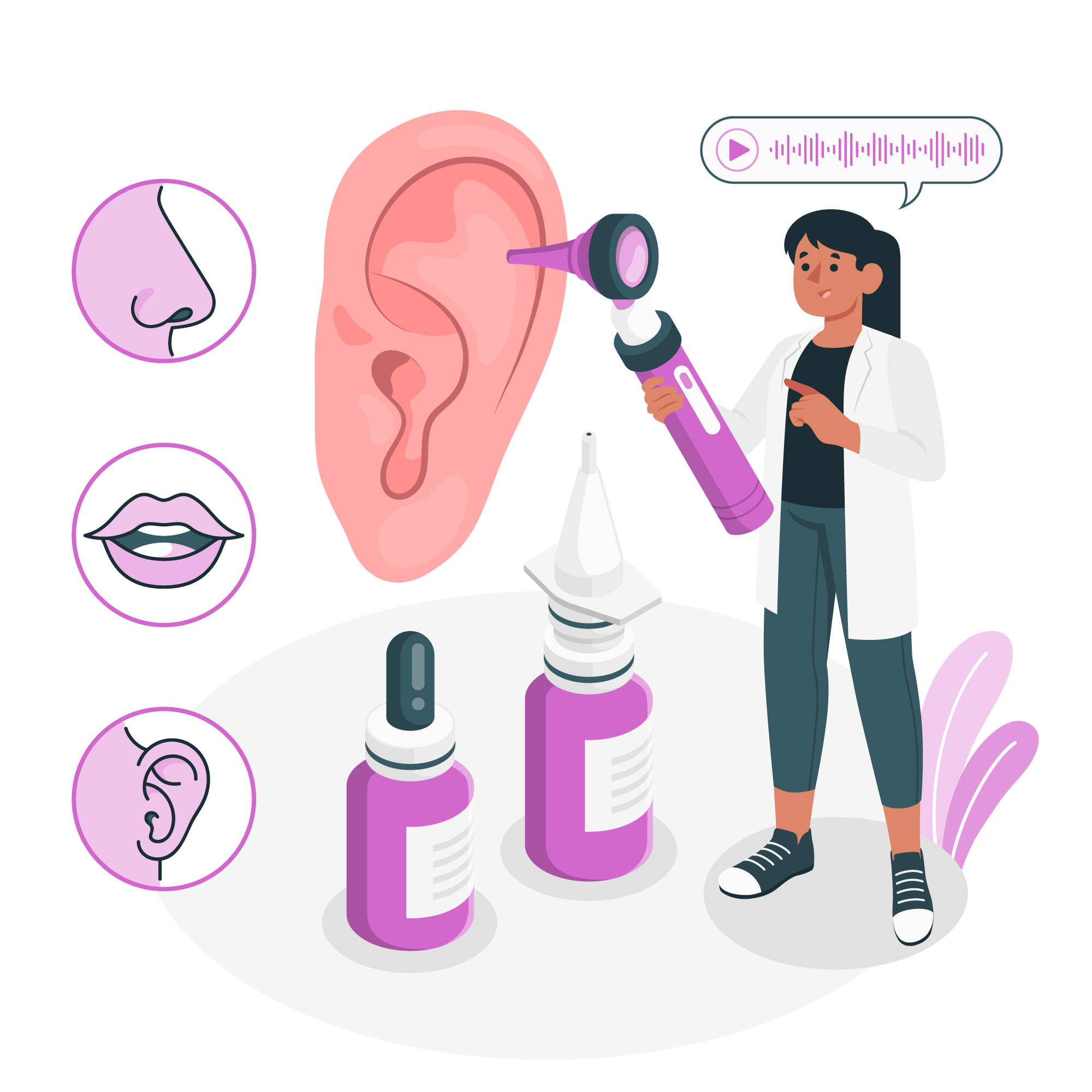
An ENT (Ear, Nose, and Throat) doctor, also known as an otolaryngologist, is a medical specialist who diagnoses and treats conditions related to the ear, nose, throat, and related structures of the head and neck. ENT doctors handle a wide range of issues.
Ear conditions:Hearing loss, ear infections, balance disorders, tinnitus (ringing in the ears), and ear pain.
Nose conditions:Sinusitis, allergies, nasal congestion, deviated septum, and issues with the sense of smell.
Throat conditions:Tonsillitis, voice and swallowing disorders, throat infections, and throat tumors.
Head and Neck:ENT doctors may also address issues related to the head and neck, such as thyroid problems, neck masses, and facial trauma.

General pediatricians provide comprehensive health care to children from infancy through adolescence. They conduct routine physical exams, monitor growth and development, administer vaccinations, and manage common illnesses and injuries. They also guide parents on nutrition, safety, and overall well-being.
Pediatric cardiologists diagnose and treat heart conditions in children, including congenital heart defects, arrhythmias, and other cardiac issues. They perform tests like echocardiograms and manage conditions through medication, lifestyle changes, and sometimes surgical interventions.
This specialty focuses on hormone-related disorders in children. Pediatric endocrinologists address issues like diabetes, thyroid disorders, growth hormone deficiencies, and puberty-related concerns. They develop treatment plans that may involve hormone replacement therapies or medications.
Pediatric gastroenterologists specialize in digestive system disorders affecting children, including conditions like gastroesophageal reflux, inflammatory bowel disease, and celiac disease. They perform diagnostic procedures like endoscopies and work on treatment plans that include dietary management and medication.
This specialty focuses on blood disorders (such as anemia and clotting disorders) and childhood cancers. Pediatric hematologists/oncologists provide diagnosis, treatment (which may include chemotherapy), and ongoing care for children with cancer and blood-related conditions.
Pediatric infectious disease specialists diagnose and manage infections that affect children, such as pneumonia, meningitis, and more. They also focus on vaccination strategies and the prevention of infectious diseases, particularly in high-risk populations.
Pediatric pulmonologists deal with respiratory issues, such as asthma, cystic fibrosis, and sleep apnea. They diagnose and treat lung diseases, conduct pulmonary function tests, and develop management plans that include medications and lifestyle modifications.
Developmental-behavioral pediatricians address developmental delays, behavioral issues (like ADHD), and learning disabilities. They work closely with families to create individualized treatment plans, which may include therapy, educational support, and behavior management strategies.
ClinixTime is your one-stop solution for all dental queries.